Home > News > Industry news > The Role of Detection Systems in Effective Drone Jamming
In the fast-evolving landscape of airspace security, the “cat and mouse” game between drone operators and security teams has shifted. Relying solely on jamming technology—often called “blind jamming”—is quickly becoming an obsolete and dangerous practice. To mount a truly effective defense, you must first master the art of detection.
If you attempt to jam a drone without knowing exactly where it is or what frequency it’s operating on, you are essentially firing into the dark. Blind jamming results in:
Wasted Energy: Constant, broad-spectrum jamming consumes immense power and is ineffective against sophisticated, frequency-hopping drones.
Collateral Interference: Inadvertent disruption of critical communications, such as Wi-Fi, emergency services, or cellular networks.
Target Blindness: You might be jamming the wrong signal entirely, leaving the actual threat unaffected.
An effective counter-UAS (C-UAS) system functions like a precision instrument rather than a blunt weapon. Detection systems provide the actionable intelligence required to neutralize a threat with surgical accuracy.
Most commercial drones communicate with their operators via specific RF bands. An RF detection system “listens” to the environment, identifying the unique “handshake” or signature of a drone. This allows security teams to:
Identify the drone model.
Locate the pilot (Ground Control Station).
Trigger jamming only on the specific frequency being used by the drone.
While RF detection identifies communication signals, radar provides physical location data. By bouncing radio waves off the drone’s chassis, radar systems can track drones that are operating in “radio silence” mode or using automated flight paths.
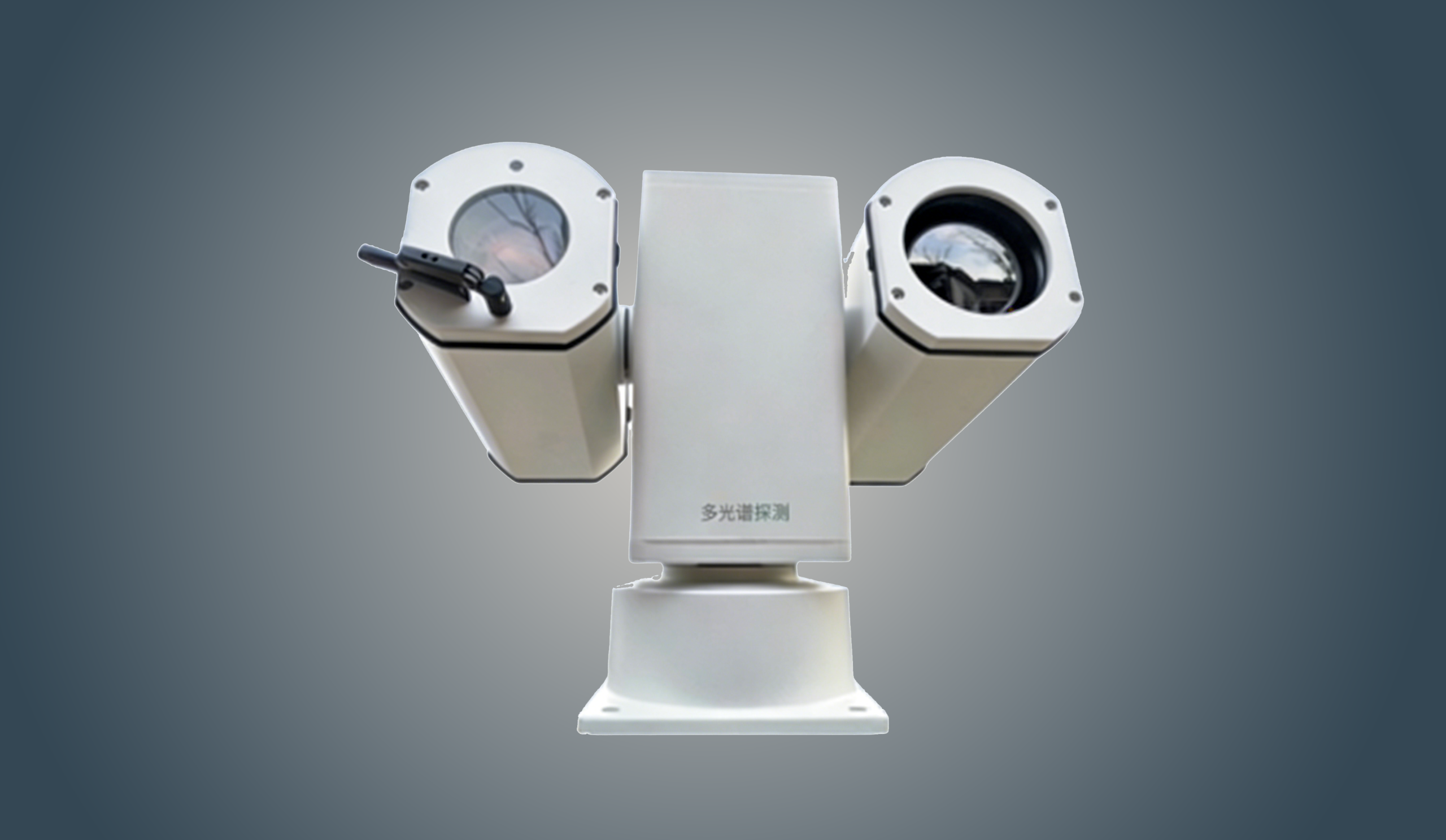
The final layer of detection involves visual and auditory confirmation. High-definition PTZ (Pan-Tilt-Zoom) cameras and acoustic sensor arrays verify the target. This ensures you aren’t jamming a passing bird or a legitimate law enforcement drone, preventing legal and operational headaches.
The most effective defense strategies utilize sensor fusion. By combining data from RF sensors, radar, and optical cameras, the system builds a comprehensive map of the airspace.
When a threat is confirmed, the jamming system is slaved to the detection coordinates. Instead of flooding the area with noise, the jammer initiates a focused, directional beam precisely at the drone’s location and on its exact operating frequency. This is not just safer—it is significantly more effective at severing the link between the drone and the pilot, often forcing the drone into a “fail-safe” landing or “return-to-home” protocol.
Jamming is the weapon, but detection is the sight. If your security infrastructure is failing to stop unauthorized drone incursions, it is rarely a problem with the jammer’s power; it is almost always a gap in your detection capability. By prioritizing multi-layered detection, you transform your defense from a reactive gamble into a proactive security solution.
86-13920737097
AddBuilding 2, Honggao Industrial Park, Bao’an District, Shenzhen, China.
E-mailjackyjingtj@gmail.com
Copyright @ 2026 BNT Jammer
Copyright @ 2026 BNT Jammer
Copyright @ 2026 BNT Jammer