Home > News > Industry news > Legal and Regulatory Considerations for Drone Jamming Equipment
As drones become more widely used in commercial, recreational, and industrial sectors, the demand for counter-drone technologies has increased significantly. Among these technologies, drone jamming equipment is commonly used to disrupt communication links between a drone and its operator. However, because these devices interfere with radio frequencies, their use is strictly regulated in many countries. Understanding the legal framework is essential before deploying such systems.
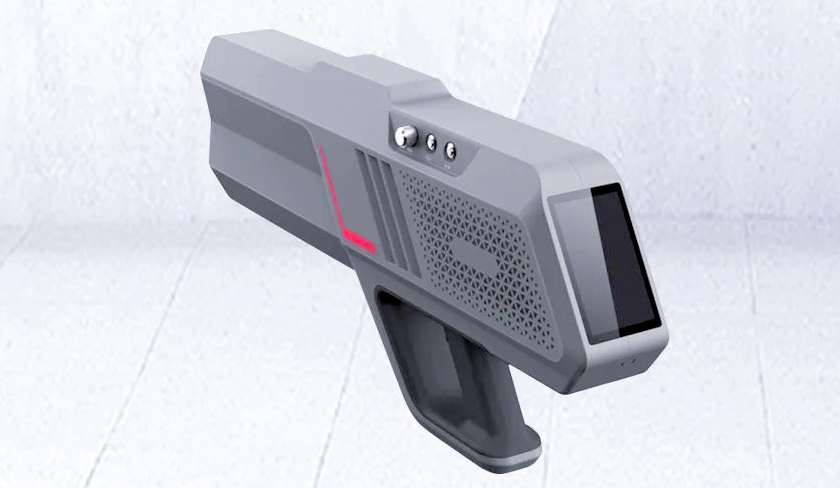
Drone jammers work by transmitting signals that block or overpower the communication frequencies used by drones. These frequencies often overlap with other wireless services such as GPS, Wi-Fi, and mobile networks. Without regulation, jamming could unintentionally disrupt critical communication systems, aviation navigation, or public infrastructure.
For this reason, governments typically restrict the manufacturing, sale, or use of radio frequency jamming devices.
In most jurisdictions, only authorized government agencies or military organizations are permitted to operate drone jamming equipment. These include:
National defense and military units
Law enforcement agencies
Border security authorities
Certain critical infrastructure protection units
Private companies or individuals usually cannot legally use jamming devices unless they receive special approval from national regulatory authorities.
Radio spectrum is carefully managed by national telecommunications regulators. Any equipment that transmits signals must comply with local spectrum rules. Manufacturers and system integrators should ensure that their drone jamming equipment:
Operates within approved frequency ranges
Meets electromagnetic compatibility standards
Follows certification or testing requirements
Includes safeguards to minimize unintended interference
Compliance helps prevent harmful disruption to legitimate communications.
Some countries also regulate the export and international transfer of counter-drone technologies. Drone jammers may be classified as controlled security equipment or dual-use technology. Companies involved in manufacturing or distributing such systems should verify:
Export control regulations
End-user certification requirements
Customs and licensing procedures
Failure to comply with export laws can lead to significant legal penalties.
Even when legally authorized, drone jamming equipment must be deployed responsibly. Operators should consider:
The surrounding radio environment
Proximity to airports or communication infrastructure
The risk of affecting other wireless services
Modern counter-UAS systems often combine detection, tracking, and controlled jamming to reduce unnecessary interference.
Drone jamming equipment plays an important role in protecting sensitive areas from unauthorized drones. However, because it directly interferes with radio communications, strict legal and regulatory frameworks apply worldwide. Organizations planning to deploy such systems should always review local laws, obtain proper authorization, and ensure full compliance with spectrum regulations.
Understanding these requirements not only avoids legal risks but also ensures that counter-drone operations remain safe and responsible.
86-13920737097
AddBuilding 2, Honggao Industrial Park, Bao’an District, Shenzhen, China.
E-mailjackyjingtj@gmail.com
Copyright @ 2026 BNT Jammer
Copyright @ 2026 BNT Jammer
Copyright @ 2026 BNT Jammer