Home > News > Industry news > How to Choose the Right Drone Jamming Gun? A Guide to Key Parameters
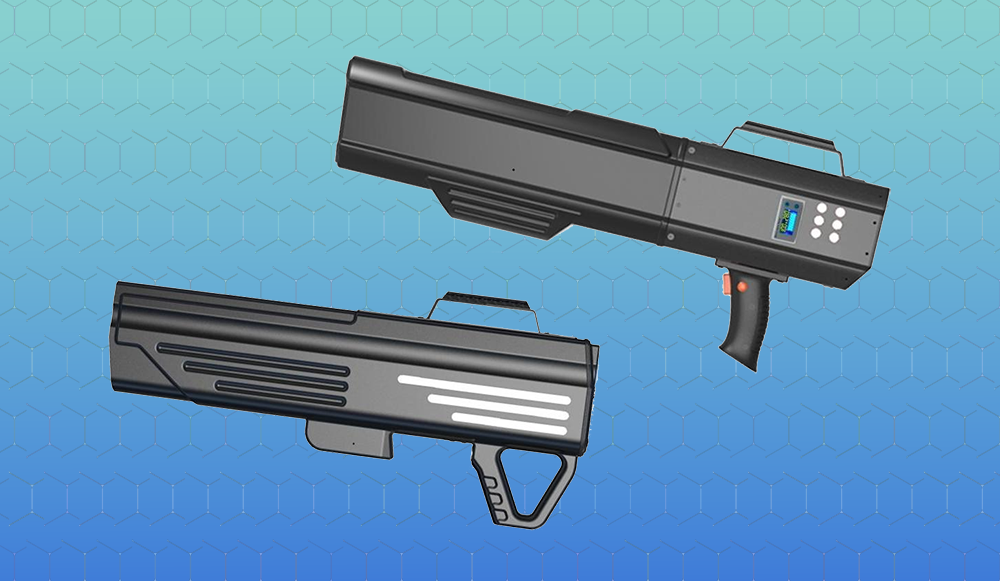
With the increasing use of drones in both civilian and security-sensitive environments, the demand for effective counter-drone solutions is growing rapidly. Among these solutions, drone jamming guns have become a popular choice due to their portability, ease of use, and immediate response capability. However, selecting the right device requires a clear understanding of several key technical parameters.
A drone jamming gun is a handheld countermeasure device designed to disrupt the communication link between a drone and its operator. By emitting radio frequency (RF) interference, it can block control signals, video transmission, or satellite navigation systems such as GPS.
When the connection is interrupted, most commercial drones will either return to their starting point or perform a controlled landing, effectively neutralizing the threat without physical damage.
One of the most critical factors to consider is frequency coverage. Different drones operate on various frequency bands, commonly including 2.4 GHz, 5.8 GHz, and GNSS bands like GPS (1.5 GHz range).
A high-quality drone jamming gun should support multiple frequency bands to ensure compatibility with a wide range of UAV models. Wider frequency coverage increases the likelihood of successfully disrupting both control and navigation signals.
Output power directly affects the jamming range. Higher power levels generally allow the device to interfere with drones at greater distances. However, more power also means higher energy consumption and potential regulatory restrictions.
Typical handheld jamming guns offer ranges from several hundred meters up to 1–2 kilometers, depending on environmental conditions and antenna design. It is important to match the range with your operational needs—short-range for urban security or longer-range for perimeter defense.
Most drone jamming guns use directional antennas to focus RF energy toward the target. This design improves efficiency and extends the effective range while minimizing interference in unintended directions.
When choosing a device, consider the antenna gain and beamwidth. A narrow beam provides higher precision and longer reach, while a wider beam allows for easier targeting but with reduced range.
Modern drone jamming guns often support multiple jamming modes, including:
Some advanced models allow users to select specific modes based on the situation. This flexibility helps optimize performance and reduce unnecessary interference with other electronic systems.
Since drone jamming guns are typically used in field operations, battery life is a crucial consideration. Devices with longer operational time reduce the need for frequent recharging and ensure readiness during extended missions.
Weight and ergonomic design also matter. A lightweight and well-balanced device improves handling and reduces operator fatigue, especially during prolonged use.
Durability is essential for reliable performance in various environments. Look for devices with robust construction, weather resistance, and effective heat dissipation systems.
If the equipment will be used outdoors, ensure it can operate under different temperature and humidity conditions without performance degradation.
Before purchasing or deploying a drone jamming gun, it is important to understand local regulations regarding RF interference devices. In many countries, the use of jamming equipment is restricted or requires special authorization.
Ensuring compliance with legal standards not only avoids penalties but also guarantees safe and responsible operation.
Some drone jamming guns can be integrated with broader counter-UAS systems, including detection sensors and command platforms. This capability allows for coordinated detection and response, enhancing overall system effectiveness.
If future scalability is a concern, consider models that support system integration and software upgrades.
Choosing the right drone jamming gun involves more than just comparing price or appearance. Key parameters such as frequency coverage, output power, antenna design, and battery performance all play a critical role in determining effectiveness.
By carefully evaluating these factors and aligning them with your operational requirements, you can select a device that delivers reliable and efficient drone mitigation. As drone threats continue to evolve, investing in the right countermeasure technology is essential for maintaining security and control over your airspace.
86-13920737097
AddBuilding 2, Honggao Industrial Park, Bao’an District, Shenzhen, China.
E-mailjackyjingtj@gmail.com
Copyright @ 2026 BNT Jammer
Copyright @ 2026 BNT Jammer
Copyright @ 2026 BNT Jammer