Home > News > Product FAQ > How Airports Use Counter-Drone Technology to Protect Airspace and Passenger Safety
With the rapid growth of civilian drone usage, airports around the world are facing a new type of security challenge. Unauthorized drones flying near runways or flight paths can disrupt operations and threaten passenger safety. To address this issue, many airports are deploying counter-drone technology, also known as counter-UAS (Unmanned Aircraft System) solutions, to monitor and protect their airspace.
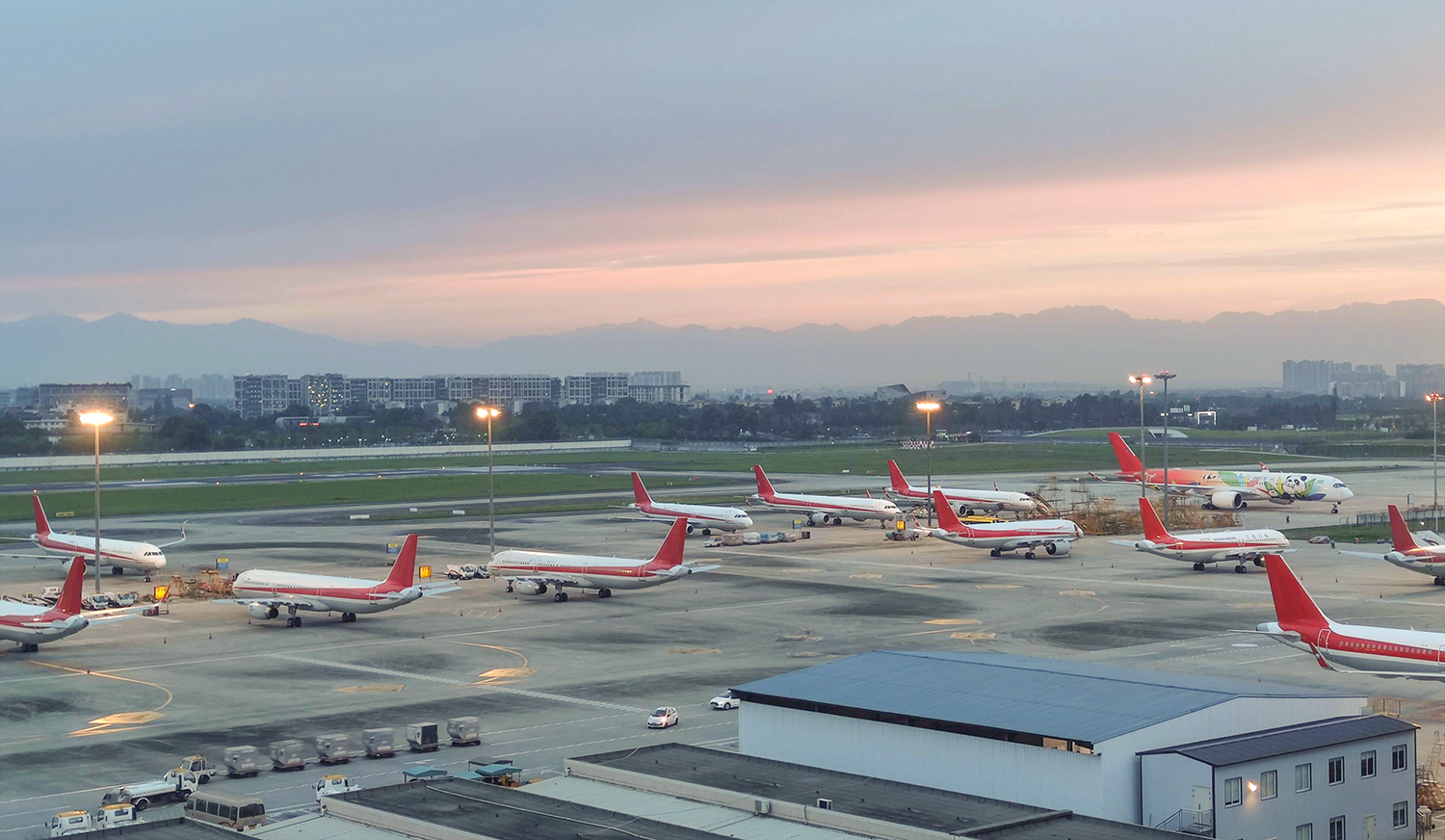
These systems combine multiple technologies to detect, identify, and respond to potentially dangerous drones before they interfere with airport operations.
Even small drones can create major safety concerns in busy airspace. A drone entering a flight corridor may force aircraft to delay landing or takeoff. In some cases, airports have temporarily shut down operations due to drone sightings.
The main risks include:
Collision hazards with aircraft
Interference with radar or navigation signals
Disruption of flight schedules
Security threats around restricted areas
Because of these risks, aviation authorities and airport operators are investing heavily in advanced counter-drone systems.
Modern counter-drone solutions rely on several complementary technologies working together.
Detection is the first step in protecting airport airspace. Airports typically deploy systems such as:
RF signal detectors to identify drone communication links
Radar systems to track aerial objects in real time
Electro-optical cameras for visual confirmation
Acoustic sensors that detect drone sound patterns
By combining these sensors, airports can detect drones even at long distances.
Once a drone is detected, the system analyzes its signal and movement. Advanced software can:
Identify the drone type or model
Locate the drone’s flight path
Estimate the operator’s location
Track the drone continuously
This information allows airport security teams to assess whether the drone poses a real threat.
If a drone enters restricted airspace, airports may use various mitigation methods depending on local regulations.
Common countermeasures include:
| Countermeasure | Purpose |
|---|---|
| RF signal jamming | Disrupts drone control or navigation signals |
| GNSS interference | Prevents drones from using satellite navigation |
| Protocol takeover | Allows authorized systems to safely control the drone |
| Law enforcement response | Locates and stops the drone operator |
These techniques help remove the drone from restricted airspace quickly and safely.
Many airports integrate counter-drone systems into their broader airport security management platforms. This integration allows security teams to monitor drones alongside other surveillance systems such as:
perimeter security sensors
CCTV networks
air traffic monitoring systems
Centralized control improves response speed and coordination between airport security and aviation authorities.
As drone technology continues to evolve, airports will increasingly rely on AI-powered detection systems, improved sensor fusion, and smarter countermeasures. These developments will make it easier to identify unauthorized drones and respond before they pose a danger.
For airports handling thousands of passengers every day, counter-drone technology is becoming an essential layer of modern aviation security. By combining detection, tracking, and mitigation tools, airports can protect airspace while maintaining smooth flight operations.
86-13920737097
AddBuilding 2, Honggao Industrial Park, Bao’an District, Shenzhen, China.
E-mailjackyjingtj@gmail.com
Copyright @ 2026 BNT Jammer
Copyright @ 2026 BNT Jammer
Copyright @ 2026 BNT Jammer