Home > News > Product FAQ > Drone Countermeasure Equipment FAQ: Common Questions About Anti-Drone Systems
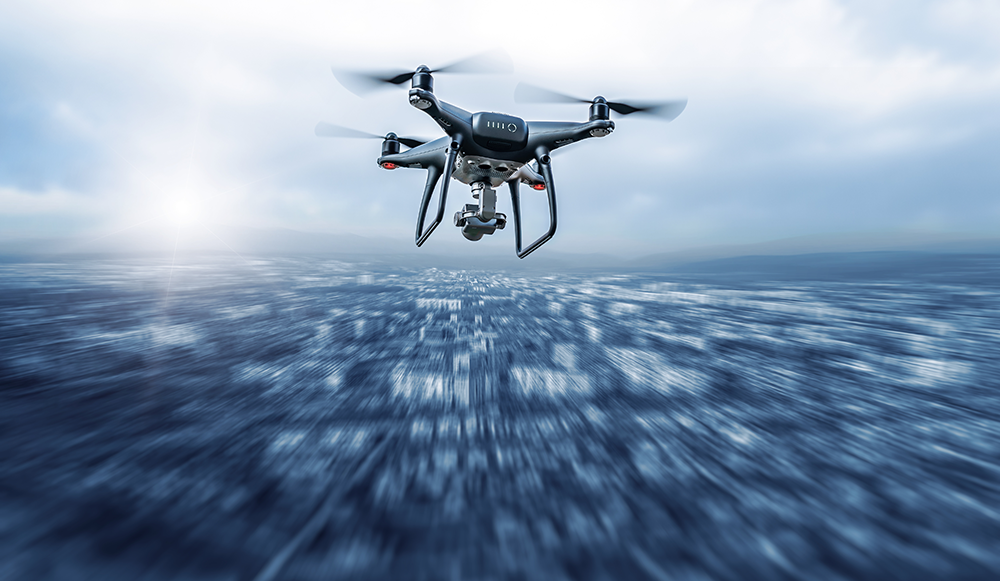
With the rapid growth of unmanned aerial vehicles (UAVs), unauthorized drone activity has become a serious security concern. Airports, prisons, industrial facilities, and public events increasingly require effective solutions to prevent drone intrusion. Drone countermeasure equipment, also known as anti-drone systems, is designed to detect, track, and mitigate drone threats.
Below are some of the most common questions about drone countermeasure systems.
Drone countermeasure equipment refers to technologies designed to detect and stop unauthorized drones. These systems may include radar detection, radio frequency (RF) monitoring, signal jamming modules, and command control platforms.
Depending on the configuration, an anti-drone system can locate drones, identify their communication signals, and take action to disrupt their operation.
Most counter-drone systems work by interrupting the communication link between the drone and its remote controller. This is usually done through RF interference targeting frequencies used for control, navigation, or video transmission.
When the communication link is disrupted, the drone may:
Hover in place
Return to its launch point
Automatically land
The exact response depends on the drone’s built-in safety settings.
Many consumer and commercial drones operate within commonly used wireless bands. Anti-drone systems often focus on these frequencies:
2.4GHz – Control signals and telemetry
5.8GHz – Video transmission and secondary control channels
GNSS bands – Satellite navigation signals such as GPS
Targeting these frequencies can significantly reduce a drone’s ability to operate normally.
Drone countermeasure equipment is used in many environments where airspace security is critical. Typical applications include:
Airports and aviation safety zones
Military bases and defense facilities
Government buildings
Prisons and correctional institutions
Stadiums and large public events
These locations often require continuous monitoring and rapid response to drone threats.
Drone defense systems usually include two key components:
Detection systems identify the presence of a drone using radar, RF analysis, or optical tracking.
Jamming systems disrupt the drone’s communication signals to stop its operation.
Many modern counter-UAS solutions combine both technologies for better performance.
Yes. Anti-drone equipment is available in several formats, including:
Portable handheld devices used by security personnel
Vehicle-mounted systems for mobile protection
Fixed installations designed for permanent infrastructure protection
The choice depends on the operational environment and security requirements.
The effectiveness of an anti-drone system depends on several factors, such as:
Output power of the jamming modules
Frequency coverage
Antenna design
Environmental conditions
When properly deployed, counter-drone equipment can significantly reduce the risk of unauthorized UAV operations.
Drone countermeasure equipment plays an important role in protecting sensitive areas from unauthorized UAV activity. By combining detection technologies with signal interference methods, modern anti-drone systems provide an effective defense against aerial threats.
As drone usage continues to expand, reliable counter-UAS solutions will become increasingly important for maintaining airspace security.
86-13920737097
AddBuilding 2, Honggao Industrial Park, Bao’an District, Shenzhen, China.
E-mailjackyjingtj@gmail.com
Copyright @ 2026 BNT Jammer
Copyright @ 2026 BNT Jammer
Copyright @ 2026 BNT Jammer