Home > News > Industry news > Drone Jamming Solutions for Military and Defense Applications
The proliferation of unmanned aerial vehicles (UAVs) on the modern battlefield has created an urgent demand for robust counter-drone measures. From ISR (intelligence, surveillance, reconnaissance) missions to loitering munitions, hostile drones pose a direct threat to troops, critical infrastructure, and armored convoys. Electronic warfare (EW) based jamming solutions offer a scalable, low-collateral alternative to kinetic interceptors. This guide provides a technical deep‑dive into the primary drone jamming technologies employed by defense forces worldwide, comparing their mechanisms, operational trade‑offs, and tactical applications.
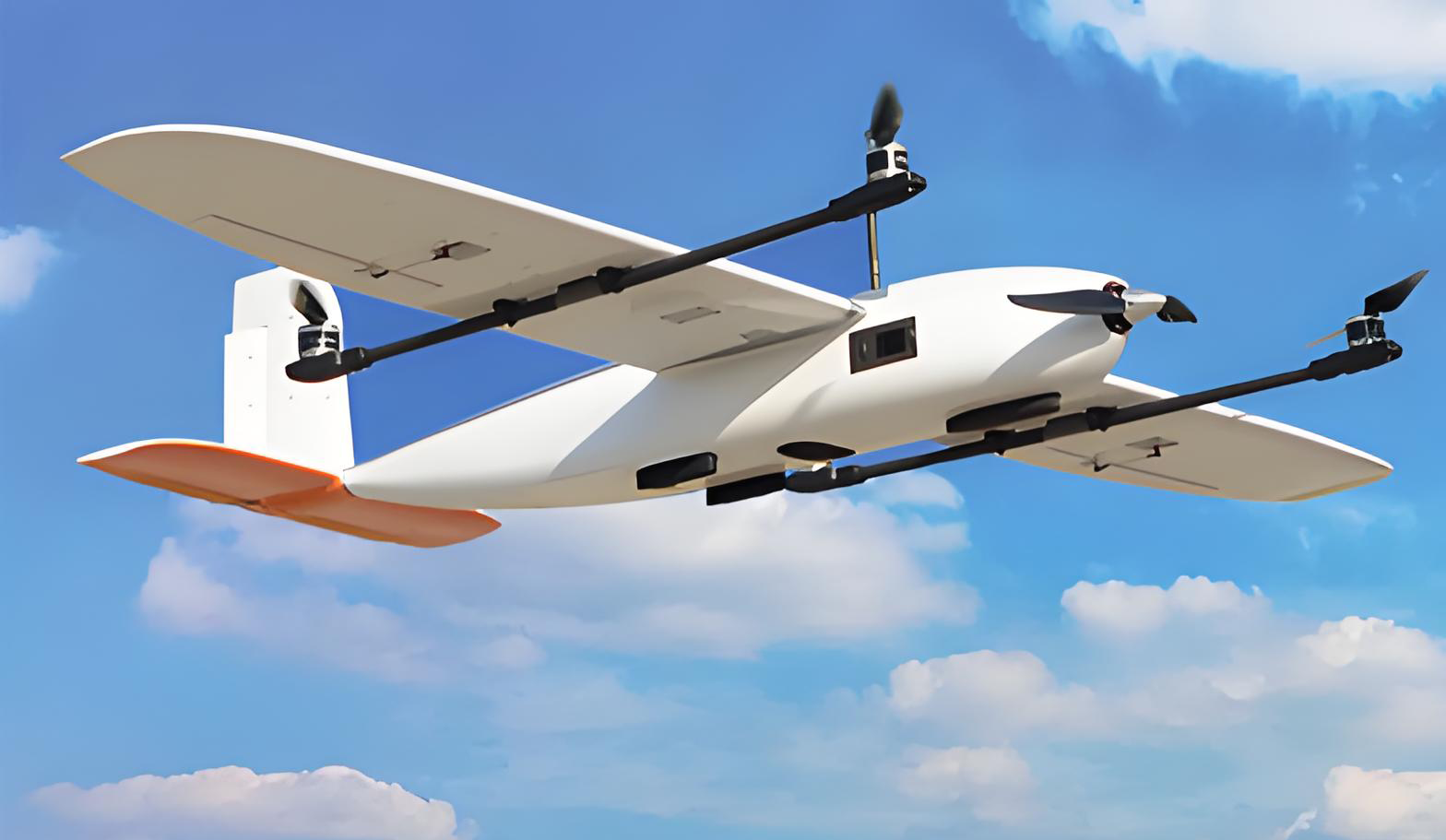
Unlike hard‑kill systems (missiles, lasers, or nets), jamming disrupts the electronic link between the drone and its operator or its navigation satellites. It can force a UAV to return to home, land immediately, or drift uncontrollably. For military planners, selecting the right jamming solution depends on the threat environment, frequency spectrum usage, and rules of engagement. Below, we break down five fundamental jamming techniques used in contemporary military anti‑drone operations.
The following table outlines the most prevalent electronic attack methods employed by defense forces, ranging from broad-spectrum noise to sophisticated spoofing and high-power electromagnetic pulses.
| Technology | Operating Principle | Advantages | Limitations | Typical Military Applications |
|---|---|---|---|---|
| Wideband RF Jamming | Transmits high-power noise across broad frequency bands (e.g., 2.4 GHz, 5.8 GHz, 900 MHz) to saturate drone command-and-control or video links. | ✔ Simple, field-proven technology. ✔ Effective against most commercial off-the-shelf (COTS) drones. ✔ Can simultaneously block multiple communication channels. |
✗ May disrupt friendly communications (fratricide) if not shielded. ✗ Less effective against frequency-hopping spread spectrum (FHSS) or encrypted military datalinks. ✗ High power draw, limits portability. |
Base perimeter defense; convoy protection; fixed-site security (airfields, ammo depots). |
| Smart / Protocol-Aware Jamming | Analyzes drone communication protocols (e.g., DJI, MAVLink) in real time and injects selective interference or deceptive packets to disrupt or hijack the UAV. | ✔ Lower collateral emissions – targets only specific drone types. ✔ Power efficient, extends battery life of man‑packable systems. ✔ Can force specific drone reactions (e.g., return-to-home). |
✗ Requires constant protocol updates; ineffective against unknown or custom waveforms. ✗ More complex signal processing; vulnerable to encryption and anti‑spoofing. |
Special operations forces (SOF); counter‑recon against enemy drones with known signatures; urban warfare where spectrum discipline is critical. |
| GNSS Jamming | Emits interference on global navigation satellite system frequencies (GPS L1/L2, GLONASS, Galileo, BeiDou) to deny position and timing data. | ✔ Low‑cost, compact transmitters available. ✔ Triggers fail‑safe modes in many drones (hover, land, or return-to-home). ✔ Effective against autonomous navigation dependent on satellite fixes. |
✗ No effect on drones using visual/inertial navigation (e.g., terrain matching). ✗ Creates a GNSS dead zone that can affect friendly troops and civilian infrastructure. ✗ Easily detected and mapped by electronic support measures. |
Creation of temporary no‑fly zones over sensitive assets; protection of naval vessels in port; ground force tactical denial. |
| GNSS Spoofing | Transmits counterfeit GNSS signals that are stronger than the authentic ones, gradually deceiving the drone’s receiver into calculating a false position or time. | ✔ Can covertly steer a hostile drone to a designated landing zone or away from friendly positions. ✔ More subtle than noise jamming; harder for the operator to detect. ✔ Effective against drones with basic anti‑jamming antennas. |
✗ High technical complexity – requires precise code/frequency synchronization. ✗ Risk of unintended navigation errors if spoofing fails. ✗ Less effective against military‑grade encrypted GPS (M‑code). |
Capture of adversary drones for intelligence; force protection in fixed locations; counter‑swarm techniques to redirect UAVs into safe areas. |
| High-Power Microwave (HPM) | Generates short, intense electromagnetic pulses that couple into drone electronics, causing temporary upset or permanent damage to semiconductors and circuits. | ✔ Can neutralize multiple drones simultaneously (ideal for swarm defeat). ✔ Not reliant on communication or navigation links – works on fully autonomous UAVs. ✔ Instantaneous effect with wide area coverage. |
✗ Large power supply and bulky components limit mobility. ✗ Potential for collateral damage to own electronic equipment within the beam pattern. ✗ High cost per system; thermal management challenges. |
Counter‑swarm defense of high‑value bases (FOBs, command posts); air defense of capital cities; naval self‑protection against UAV swarms. |
No single technology fits all military scenarios. Wideband RF jamming remains the workhorse for immediate area denial, but its indiscriminate nature makes it unsuitable for complex electromagnetic environments. Smart jamming offers precision, ideal for special operations where avoiding civilian spectrum disruption is paramount. GNSS jamming is a cost‑effective layer against navigation‑dependent drones, while spoofing provides a capture‑or‑redirect capability. For emerging drone swarms, HPM is gaining traction as a non‑kinetic, one‑shot solution capable of defeating multiple targets at once. Forward‑looking defense programs increasingly integrate several of these techniques into layered, AI‑driven counter‑UAS suites.
The cat‑and‑mouse game between drone developers and electronic warfare engineers continues to accelerate. Modern military drones are incorporating frequency agility, adaptive antennas, and autonomous waypoint navigation that reduces dependency on GNSS and control links. In response, next‑generation jamming solutions are leveraging cognitive electronic warfare – using machine learning to classify drone signals in milliseconds and deploy the optimal jamming waveform. Furthermore, directed energy systems (like HPM and high‑power lasers) are being miniaturized for tactical vehicles. The integration of jamming effects with cyber takeover modules is also maturing, enabling operators to not only disrupt but also assume control of hostile UAVs for forensic analysis.
For defense procurement officers and military strategists, understanding the nuances of each jamming technology is essential to building a resilient, layered air defense architecture. The table above serves as a foundational reference when evaluating systems from manufacturers or designing EW tactics, techniques, and procedures (TTPs).
Drone jamming solutions have transitioned from niche electronic warfare tools to frontline necessities. Whether through brute‑force RF suppression, surgical protocol manipulation, or devastating microwave pulses, military forces now possess a diverse toolkit to counter the UAV threat. By combining these technologies with robust detection (radar, RF scanners, EO/IR) and command‑and‑control systems, defense organizations can achieve air superiority at the tactical edge. As drone capabilities evolve, so too will the ingenuity of jamming techniques – ensuring that the electromagnetic spectrum remains a decisive battleground in future conflicts.
86-13920737097
AddBuilding 2, Honggao Industrial Park, Bao’an District, Shenzhen, China.
E-mailjackyjingtj@gmail.com
Copyright @ 2026 BNT Jammer
Copyright @ 2026 BNT Jammer
Copyright @ 2026 BNT Jammer